September is Healthy Aging Month: It's Not Just About Living Longer, It's About Living Better
Healthy aging is not about chasing youth or pretending that our bodies never change. It is about protecting the strength, mobility, clarity, independence, and connections that allow us to continue living a meaningful life....
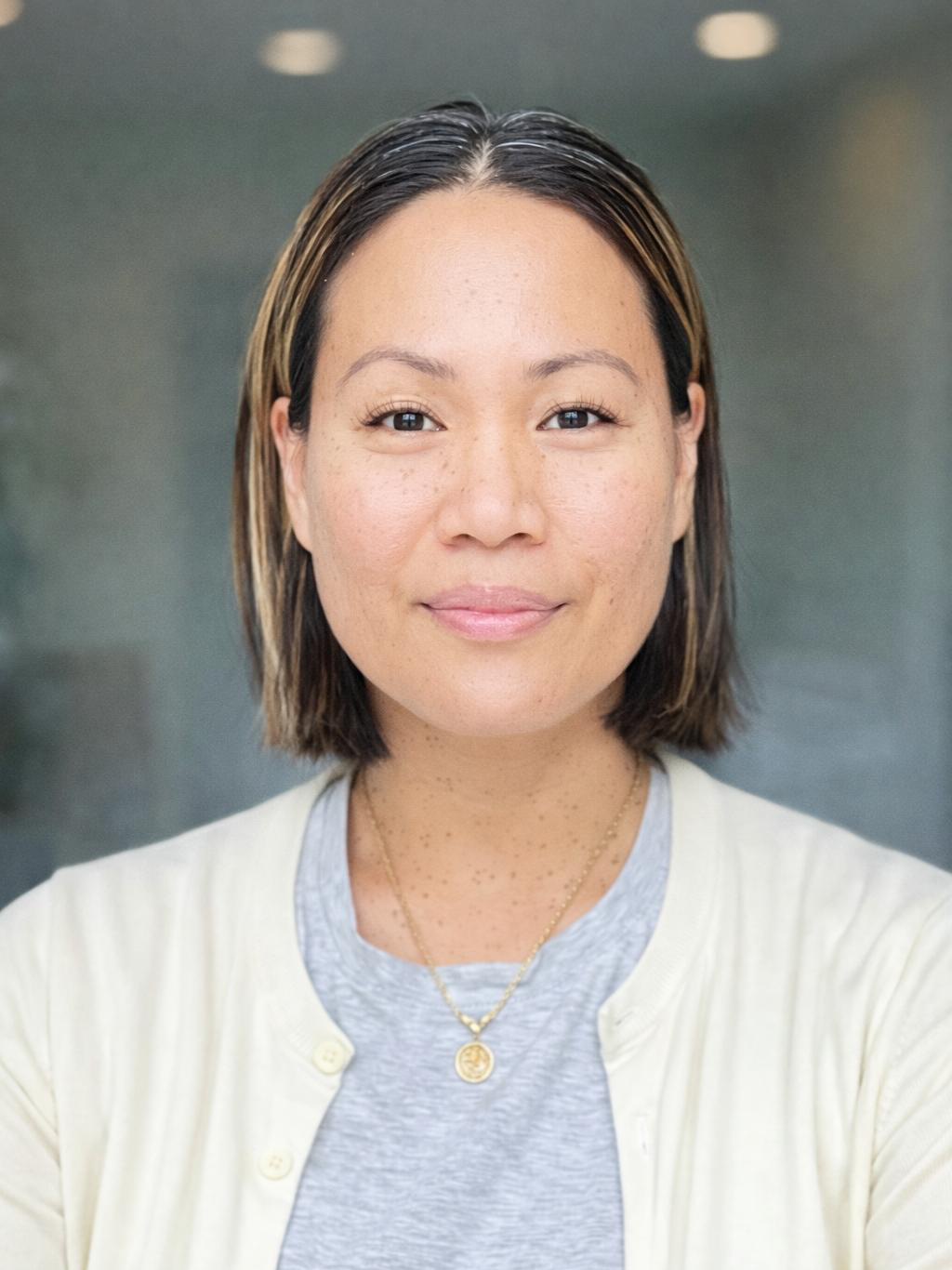
Elsie De La Vega
Co-Founder & Patient Relations

Healthy aging is not about chasing youth or pretending that our bodies never change. It is about protecting the strength, mobility, clarity, independence, and connections that allow us to continue living a meaningful life.
A Different Way to Think About Aging
Every September, Healthy Aging Month encourages people of all ages to think about the habits, support, and health care that can help them age well.
This conversation is not only for seniors. Aging is a lifelong process, and the choices we make today can influence how we move, think, recover, and participate in life years from now.
The World Health Organization describes healthy aging in terms of functional ability. This means having the ability to meet basic needs, make decisions, remain mobile, maintain relationships, and continue contributing to the world around us.
That definition matters because it moves the focus away from the number on a birthday cake and toward the life a person is still able to enjoy.
At Aura Regenerative Center, many people who contact us are not trying to become twenty years old again. They want to walk with less difficulty, travel with their families, remain active, think clearly, sleep better, or continue doing the everyday things that give their lives meaning.
Those goals are deeply personal, and they deserve an equally thoughtful approach.
Healthy Aging Is Built on Everyday Foundations
There is no single treatment, supplement, or procedure that creates healthy aging by itself. The strongest foundation is still built through consistent, healthy habits and appropriate medical care.
Keep Moving in Ways That Are Safe for You
Regular physical activity supports strength, balance, heart health, mobility, and independence. The right activity depends on a person's health and abilities, so medical or rehabilitation guidance may be helpful.
Nourish the Body
A balanced eating pattern, adequate hydration, and attention to individual nutritional needs help support energy and overall health. Restrictive diets and supplements should not replace personalized medical advice.
Protect Your Sleep
Good quality sleep supports physical and mental well being. Persistent difficulty falling asleep, staying asleep, or feeling rested deserves attention rather than being dismissed as a normal part of aging.
Stay Connected and Mentally Engaged
Relationships, meaningful activities, learning, and community participation are important parts of well being. Healthy aging includes emotional and social health, not only laboratory numbers.
Take an Active Role in Your Health Care
Routine checkups, medication reviews, preventive screenings, and early evaluation of new symptoms can help identify concerns before they become more difficult to manage.
When Aging Begins to Change Daily Life
Some changes happen gradually. These may include stiffness that makes mornings slower, fatigue that limits activities, discomfort that makes traveling difficult, or slower recovery after physical activity.
Other changes, such as sudden weakness, new confusion, chest pain, difficulty speaking, or loss of balance, may require urgent medical evaluation.
Even changes that are not urgent should not automatically be accepted as something a person must simply endure. A careful evaluation may uncover treatable medical issues, opportunities for physical therapy, changes in medication, nutritional needs, or other ways to support function and quality of life.
Where Regenerative Medicine May Fit
Regenerative medicine is an evolving field that studies how cells, tissues, and biological signaling may support repair and recovery.
People often ask about mesenchymal stem cells, MUSE Cells, exosomes, and other regenerative approaches in connection with mobility, inflammation, neurological health, or general wellness.
These therapies should not be presented as a cure for aging, a replacement for healthy habits, or a guarantee of a particular outcome.
Evidence, regulatory status, and appropriate use vary depending on the product, medical condition, and country. Anyone considering regenerative care should receive an individual medical evaluation and understand the potential benefits, limitations, risks, alternatives, and follow up plan before making a decision.
At Aura, a recommendation begins with the person, not with a preselected package.
The physician reviews the patient's goals, diagnosis, medical history, medications and supplements, allergies, previous treatments, and available medical records. Recent bloodwork, a metabolic panel, imaging, or specialist reports may also be requested when relevant.
The doctor may recommend a particular plan, request additional information, advise postponing treatment, or determine that the person is not a suitable candidate.
No Two Healthy Aging Plans Should Look Exactly Alike
A plan that makes sense for one person may not be appropriate for another. Age alone does not tell the entire story.
Two people of the same age can have very different levels of mobility, medical conditions, medications, previous procedures, and treatment goals.
This is why comparing doses, treatment schedules, or estimates without the full medical context can be misleading. More is not automatically better.
A responsible plan should be based on what is medically appropriate for that individual, with realistic expectations and ongoing communication.
Questions Worth Asking Before Any Treatment
Before deciding on any regenerative treatment, consider asking these questions:
- Who will review my medical history and determine whether I am a suitable candidate?
- What is the goal of the proposed treatment?
- What evidence supports its use for my particular condition?
- What risks, side effects, and contraindications should I understand?
- Where do the cells or biological products come from?
- How are the cells or products tested, transported, and handled?
- What does the treatment schedule include?
- What type of observation and follow up will be provided?
- Which medical, rehabilitation, or lifestyle approaches should continue alongside treatment?
Patients should feel comfortable asking questions. Understanding the treatment is part of making an informed decision.
Living Better, One Thoughtful Step at a Time
For me, Healthy Aging Month is a reminder that getting older is not something we need to fear or fight. It is something we can approach with knowledge, honesty, and intention.
The goal is not perfection. It is preserving as much function, dignity, connection, independence, and joy as possible.
Sometimes that begins with a daily walk, a better sleep routine, a medical checkup, or asking for help when something no longer feels right.
For some people, it may also include a conversation with a qualified physician about whether regenerative medicine belongs within a broader, individualized wellness plan.
Living longer matters. But being able to participate in the life we worked so hard to build, that is what living better truly means.
This article is for educational purposes only and does not provide medical advice. Regenerative therapies may be investigational for many conditions. Candidacy requires an individual medical evaluation. Outcomes vary, and no specific result can be guaranteed.
By Elsie De La Vega Co Founder and Patient Advocate Aura Regenerative Center Monterrey, Mexico https://auraregenerative.com

 English
 French
 Italian
 Spanish
 Arabic
 Chinese (Simplified)
 Portuguese
 Russian
 German